In today’s fast-moving digital world, businesses don’t just want marketing that “looks good.” They want marketing that delivers measurable results. This is where Performance Marketing steps in — a data-driven approach where you pay only for specific actions, not vague promises. Whether your goal is more leads, more sales, or more app installs, performance marketing ensures every rupee spent is accountable and trackable.
And at the heart of performance marketing lies Paid Ads — across platforms like Meta (Facebook/Instagram), Google, YouTube, LinkedIn, X, and even emerging ad networks. With the right strategy, paid ads can transform your business into a predictable, revenue-generating machine.
Let’s dive deeper into how performance marketing works, why it’s essential, and how brands can leverage it to scale smartly in 2025.
What Is Performance Marketing?
Performance marketing is a results-oriented marketing approach where advertisers pay only when a user completes a specific action — such as clicking an ad, filling a form, making a purchase, or downloading an app.
Unlike traditional marketing, where success is based on assumptions, performance marketing is built on data, analytics, and optimization.
Common performance metrics include:
- CPC (Cost Per Click)
- CPM (Cost Per 1000 Impressions)
- CPA (Cost Per Acquisition)
- ROAS (Return on Ad Spend)
- CTR (Click Through Rate)
Why Performance Marketing Matters in 2025
The digital space is more competitive than ever. New brands enter the market daily, consumer attention spans shrink, and algorithm changes are constant. In this environment, guesswork doesn’t cut it.
Here’s why performance marketing is now the backbone of digital growth:
1. Every Rupee Is Trackable
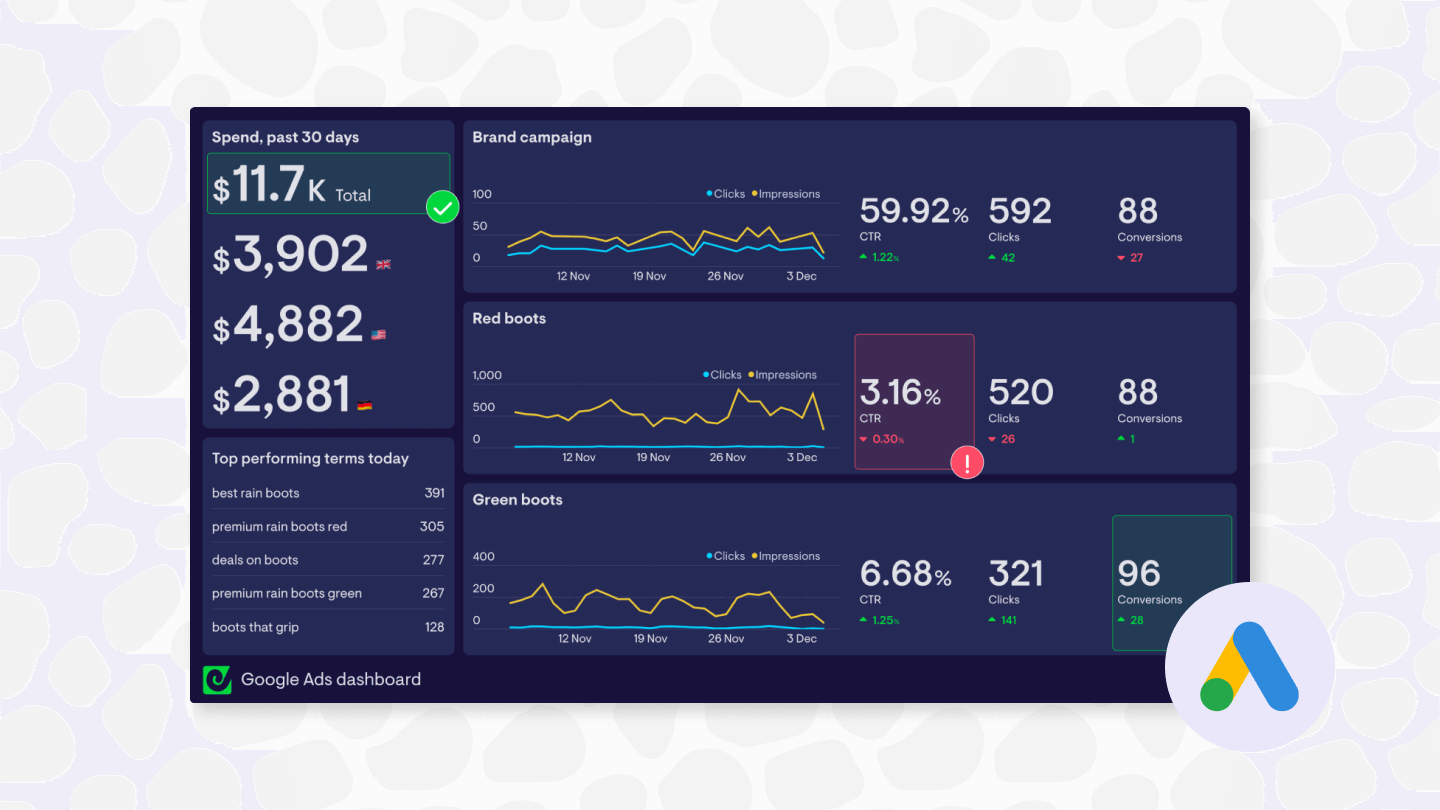
Traditional ads like hoardings or TV spots offer visibility but limited tracking. With paid ads, you know exactly:
- how many people saw your ad,
- who interacted,
- who converted,
- and how much revenue each ad produced.
2. Faster & Highly Scalable
Performance campaigns allow you to scale:
- Increase budget on high-performing ads
- Cut budget on poor performers instantly
This agility helps brands grow quickly without wasting resources.
3. Hyper-Targeted Audiences
Paid ads don’t just reach people — they reach the right people.
You can target based on:
- Age, gender, location
- Interests & behaviors
- Search intent
- Website visitors
- Lookalike audiences
This ensures your ads reach users most likely to convert.
4. Works for All Business Sizes
From small businesses to global brands, performance marketing is flexible and budget-friendly. Whether you invest ₹500 a day or ₹50 lakh a month, the results remain measurable.
Major Platforms for Paid Advertising
Each ad platform offers unique strengths. Choosing the right one depends on your business goals and audience.

1. Meta Ads (Facebook & Instagram)
Best for:
- D2C brands
- Real estate
- Fashion & lifestyle
- Local businesses
- Lead generation
Meta’s strong visual appeal + advanced targeting make it ideal for brand awareness and conversions.
2. Google Ads
Best for:
- High-intent searches
- E-commerce
- Service-based businesses
- Local businesses using Google Maps
With formats like Search Ads, Display Ads, Shopping Ads, and YouTube Ads, it offers full-funnel targeting.
3. LinkedIn Ads
Perfect for B2B brands, especially for:
- SaaS
- Corporate training
- Finance
- HR services
- Consulting firms
Lead quality is higher, though costs are premium.
4. YouTube Ads
With growing video consumption, YouTube is a powerful choice for:
- Awareness campaigns
- Product demos
- Educational content
How Performance Marketing Works (Step-by-Step)
1. Objective Setting
You choose a goal:
- Website visits
- Leads
- Purchases
- App installs
2. Audience Targeting
Define who will see your ads.
You analyze demographics, behaviors, interests, and search intent.
3. Creative Development
Ads must communicate the message clearly through:
- Strong visuals
- Crisp copy
- Clear call-to-action (CTA)
Good creative = higher engagement = lower costs.
4. Campaign Launch
Ads go live on selected platforms with optimized scheduling and budget allocation.
5. Tracking & Optimization
Using tools like:
- Google Analytics
- Meta Ad Manager
- Heatmaps
- A/B Testing
You continuously refine campaigns for maximum ROI.
6. Scaling
Once winning combinations of audience + creative + placement are identified, you scale budgets and expand reach.
Benefits of Performance Marketing for Businesses
1. High ROI
Because you pay only for results, ROI tends to be higher than traditional marketing.
2. Real-Time Insights
You see what’s working instantly.
Real-time decisions = faster growth.
3. Better Customer Understanding
Audience behavior data helps refine messaging, product strategy, and content.
4. Predictable & Sustainable Growth
Performance data helps forecast future sales and plan budgets with confidence.
Future of Performance Marketing: What to Expect
As AI and automation evolve, here’s what 2025 and beyond will bring:
1. AI-driven Optimization
Platforms will automatically optimize:
- First-party data
- CRM integration
- Privacy-friendly tracking
3. Multi-Channel Performance Sync
Brands will combine:
- Search
- Social
- Video
…to create a unified performance ecosystem.
4. Creative Personalization
Dynamic creatives will show personalized messages for each user segment.
Conclusion
Performance marketing and paid ads are no longer optional — they are essential for brands that want scalable, predictable, and measurable growth. With the right strategy, creative, targeting, and optimization, any business can turn ads into a powerful revenue engine.